



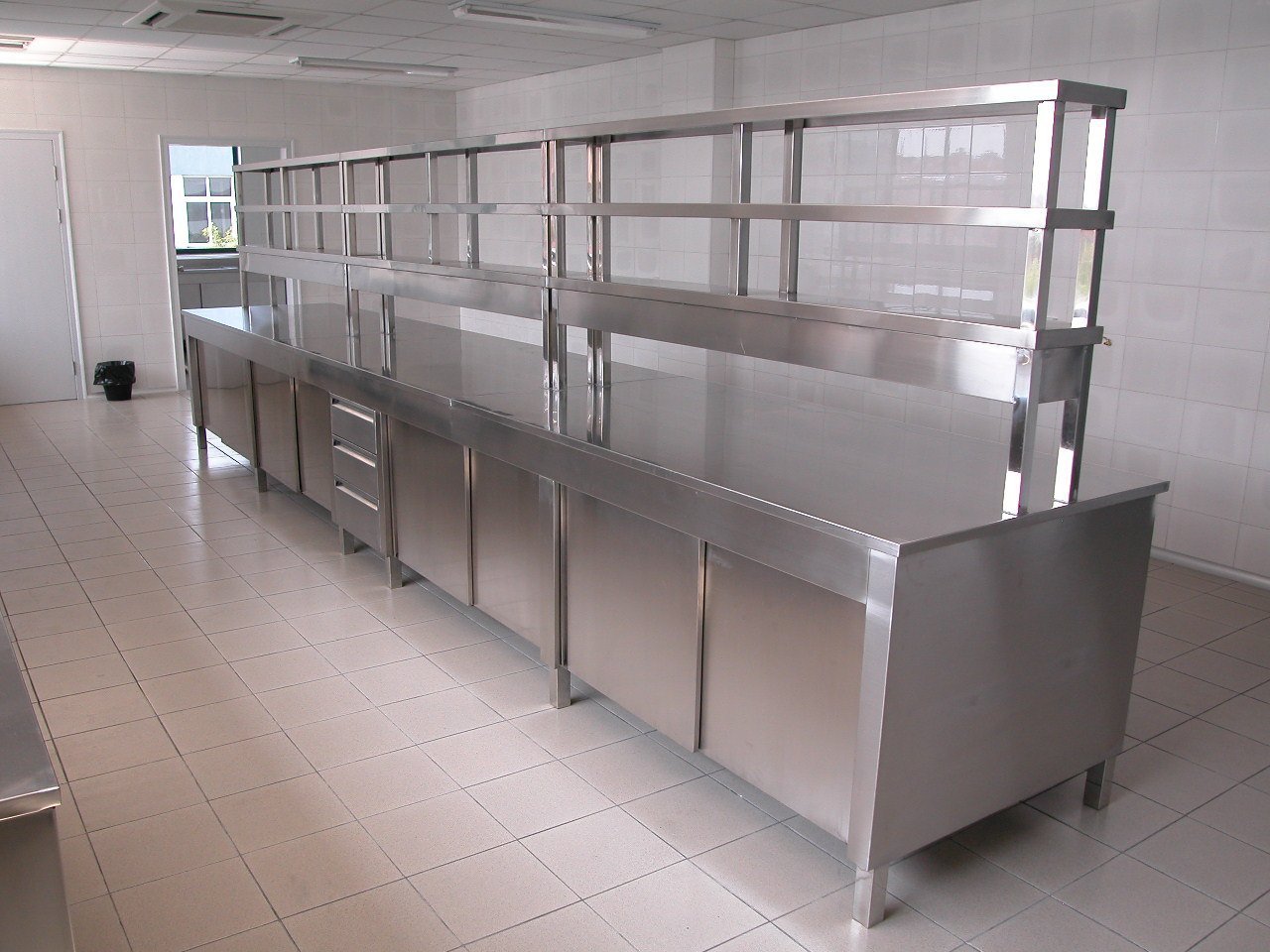
Description
1. Common Laboratory Steel Layouts
How steel furniture is arranged directly dictates user movement, safety, and productivity within a room:
• Island Layout (Central Benches): The steel workstation is positioned directly in the center of the room, accessible from all sides. This layout maximizes active workspace and is perfect for teamwork or large analytical equipment setups.
• Linear Wall Layout: Steel benches run parallel directly against the perimeter walls. This leaves the center floor completely open for moving rolling carts, gas cylinders, or mobile equipment.
• U-Shaped or L-Shaped Layouts: Benches are continuous along two or three corner walls. This setup creates efficient “work triangles” where a single researcher can pivot smoothly between a sink, an instrument zone, and storage without walking across the room.
2. Main Furniture Categories in a Steel Lab
A complete laboratory design typically incorporates several specialized types of steel furniture:
• Workbenches & Tables: Heavy-duty powder-coated or stainless steel frames that support chemical-resistant countertops.
• Under-Bench Storage Modules: Highly modular cabinet doors and drawer systems that slide smoothly or lock into place underneath the benches.
• Overhead Reagent Racks: Multi-tier steel shelf units positioned above the bench to store chemicals or tools vertically, freeing up vital workspace.
• Safety & Storage Cabinets: Tall, standalone steel wardrobes designed explicitly for general glass storage, acid storage, or flammable chemicals.
3. Key Advantages of Using Steel Furniture
• Extreme Cleanliness & Hygiene: Non-porous surfaces prevent bacteria or fungi from penetrating the material, making decontamination fast and simple.
• Modular Adaptability: Cabinets and frames can be reconfigured or expanded later if the laboratory’s research focus changes.
• Durability: High load capacity prevents sagging over decades of use, and baked-on finishes offer excellent resistance to chemical splashes.